
Book a FREE 15-minute consult
ADHD: You’re Not Failing at Normal
Reach Out Today
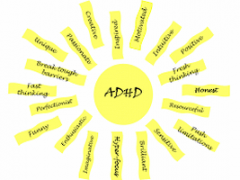
What is ADHD?
Dealing with adult ADHD can be difficult and frustrating. The symptoms can have a negative impact on learning, relationships, and work/life balance. If you are trying to cope with adult ADHD, remember you are not alone and it’s not a failed normal.
There are over 10 million adults diagnosed with adult ADHD. Well into adulthood, symptoms of ADHD, mainly known as attention-deficit/hyperactivity disorder, can continue to manifest from early childhood and can interfere with managing day to day responsibilities. Adult ADHD is not always clearly recognized and may not be diagnosed immediately, and many adults struggling with ADHD are never actually diagnosed or treated at all.
Those dealing with ADHD may find it difficult to concentrate on tasks, struggle with poor working memory, and chronically run late for things. Some folks with ADHD can experience impulsiveness and behavioral problems that can affect their performance at work or school and interfere with everyday social interactions. These challenges often lead to feelings of not being normal that can damage self-esteem.
Several common symptoms of adult ADHD include:
- Difficulty paying attention or focusing
- Inability to follow directions or take instructions
- Difficulty concentrating, organizing, or completing tasks
- Frequent mood swings and fluctuating temperaments
- Impulsive behaviors
- Anger outburst, anxiety
- Substance abuse and/or addictive behaviors
- Frequent boredom and restlessness
Several possibilities lead to the development of adult ADHD. While there is no concrete research that points to any particular one cause, here are some of the more common factors.
- Genes – An adult with ADHD is more likely to have family members that may also be diagnosed with ADHD.
- Environment – Prenatal exposure to substances or other harmful chemicals like lead have been researched and attributed to the development of ADHD in children.
- Trauma/Injury – Brain injury may also be a cause of ADHD in a minority of children who continue experiencing symptoms through adulthood.
- Nutrition – Experts believe that additives in food may be linked to an increased risk of ADHD.
How Adult ADHD Affects You
Not everyone with adult ADHD experiences the same symptoms or is affected in the same way. While some adults suffer from severe symptoms that impact their jobs and relationships, others might have mild to moderate symptoms that slightly interferes with their daily functioning. You may or may not experience all the symptoms or might have different variations of the symptoms listed.
We understand that adult ADHD can be disruptive and negatively affect your life. Many symptoms of adult ADHD inhibit one’s ability to function properly in social situations or the workplace and can produce long-term, damaging effects that prevent a person from achieving their goals.
The most significant impact adult ADHD can have on a person’s life is that it lowers self-esteem, creates a poor self-image, and can cause someone to lose motivation and drive. The debilitating impact adult ADHD has on social interactions, relationships and careers result in a loss of confidence. This can lead to depression and anxiety. Also, you may find yourself withdrawing from social interactions and maintaining long-term relationships seem difficult.
Many adults also struggle with functioning in the workplace. Focusing and completing tasks can seem overwhelming when you have trouble concentrating, or are unable to process or retain important information. Often, you might find it hard to cope with stress at work, therefore holding a stable job for extended periods of time seems impossible.
It can be daunting to try to tackle all these issues but remember that there are adults who are successfully maneuvering the effects and negative impact of adult ADHD and you can too!
Treatment Options
With the right treatment options, you can find your successful life and function well socially. Typically, a combination of treatment options is most effective at managing the symptoms of ADHD.
- Therapy – After a lifetime of mistakes, mishaps, and missed deadlines, adults with attention deficit hyperactivity disorder can suffer dangerously from low self-esteem and perpetual negative thinking? Cognitive-behavioral therapy (CBT) is a short-term, goal-oriented form of psychotherapy that aims to change these negative patterns of thinking and change the way a patient feels about their abilities and future. Cognitive-behavioral therapy can help to reveal cognitive distortions and limiting beliefs that develop from frequent and frustrating setbacks.
- Education – It is important that family and loved ones learn about the effects, symptoms, and impact that adult ADHD can have on their lives. Education is key to coping and dealing with the stress and toll that comes with this neurological condition.
- Medication – While there is no drug that will cure adult ADHD, it is important to manage and treat the symptoms of adult ADHD. There are two types of medication for adult ADHD – stimulants and non-stimulants.
Stimulants are typically the first line of defense for adult ADHD and target neurotransmitters in the brain to balance moods, enhance concentration, and overall reduce symptoms of ADHD. Non-stimulant medication can help with improving and preventing depression and anxiety, as well as improve symptoms of ADHD by improving one’s concentration.
5 Lifestyle Changes to Improve ADHD Symptoms
Managing adult ADHD can be challenging but there are 5 lifestyle changes that can improve the symptoms of adult ADHD and make day-to-day functions much easier.
- Manage time and plan ahead – Knowing well in advance and planning for what’s coming up is essential to having a smoother day. Be sure to plan activities and schedules ahead of time and always allow for extra time to get somewhere or do something. This also prevents disorientation and feelings of frustration from rushing to places or being late for important meetings and events.
- Establish morning routines – It is important to start mornings right! Morning routines help create positive flow and add balance to what might normally be a rushed and negative experience to start the day. An effective morning routine allows time for meditation and quiet before starting the day off with busy schedules and work demands.
- Take advantage of to-do lists – There are tons of apps and different types of planners that help prioritize important tasks and set goals to each day. This provides a clear picture of what needs to be done first and can help alleviate trying to remember everything. Having it written down allows you to look at your task lists as much as you need to in order to keep you organized.
- Keep a healthy diet – Nutrition and diet are critical elements to improving daily energy and focus. Eating the right foods and making healthy meal choices can balance mood, improve overall health, and boost energy levels. A healthy diet also enhances concentration and maintains focus and productivity at work.
- Practice mindfulness and meditate – Mindfulness and regular meditation can help regulate impulsiveness and other emotional issues that are persistent with adult ADHD. Since emotions can rapidly shift when you are challenged with adult ADHD it can make everything seem chaotic, it is important to be aware and make space to check emotions as they arise. Managing impulsive and harmful behavior, as well as depression or mood swings, can be detrimental to how you respond and behave at work or in social situations. Awareness helps bring caution to mind when such emotions spring up.
With the extra love and care from professionals and loved ones, it is possible to cope with adult ADHD and live your best life!
How Therapeutic Massage Supports Nervous System Regulation
February 16, 2026Understanding how the nervous system responds to prolonged uncertainty helps explain why many people feel physically overwhelmed even when they can’t point to a single cause. The body absorbs what the mind tries to manage. Over time, this accumulation can create patterns of tightness, discomfort, and dysregulation that don’t resolve simply by “relaxing” or pushing through.
Read More
Chronic Pain and the Nervous System
January 9, 2026Living with chronic pain can be confusing—especially when tests come back normal and the discomfort seems to move, flare with stress, or settle into areas like the neck, jaw, hips, or lower back. In many cases, the issue isn’t only muscular or structural. It can be rooted in a nervous system that has learned to stay on high alert after prolonged stress. This post explores how chronic stress can translate into real physical pain, why symptoms may feel unpredictable, and how therapeutic massage and counseling at Soar Therapy and Integrated Wellness can work together to support regulation, reduce flare-ups, and help the body begin to recover.
Read More
Stopping Emotional Spiraling with DBT Skills
December 17, 2025For many adults, emotional spiraling can feel sudden and overwhelming. It might show up as racing thoughts late at night, emotions escalating quickly during conflict, or a minor stressor suddenly feeling unbearable. You may replay conversations, imagine worst-case scenarios, or feel flooded with emotion that seems to take over your body. Even when you know you are spiraling, stopping it can feel impossible.
Read More
DBT for Childhood Trauma in Northern Virginia | Skills for Trauma Survivors
December 1, 2025When Childhood Trauma Still Hurts: How DBT Helps You Cope Today If you grew up in a home where there was chaos, criticism, emotional distance, or things that were never talked about, you might already know that childhood trauma is part of your story. You may have read about trauma, watched videos, or tried to make sense of it on
Read More
How DBT Can Help You Manage Anxiety in Northern Virginia
October 27, 2025If you live in Northern Virginia —maybe near Springfield, Fairfax, or Woodbridge —you don’t need a reminder that life here moves fast. Between long commutes, competitive workplaces, high-performing schools, and the constant pressure to stay ahead, it can feel like you’re always sprinting just to keep up. It’s not unusual to have a demanding job, while working towards an advanced
Read More
DBT Skills for Everyday Life: Interpersonal Effectiveness
October 14, 2025DBT skills for interpersonal effectiveness teach you how to ask for what you need, say no with confidence, and maintain self-respect while building stronger relationships. Discover how DEAR MAN, GIVE, and FAST can transform your communication and connections.
Read More
Why DBT Works for Emotional Dysregulation
October 7, 2025Emotional dysregulation can make life feel unpredictable and exhausting. Dialectical Behavior Therapy (DBT) offers a structured, skill-based approach to help individuals regain balance, manage emotions, and build healthier relationships. Through mindfulness, distress tolerance, emotion regulation, and interpersonal effectiveness, DBT provides real, lasting change for those struggling with intense emotions.
Read More
The Transformative Power of DBT Skills Group
September 30, 2025Are you or someone you care about struggling with overwhelming emotions, impulsive reactions, or challenges in relationships? At Soar Therapy and Integrated Wellness, our DBT Skills Groups are offered twice a year in Springfield, VA, providing a unique opportunity for women and teens in Northern Virginia and the DC Metro area to achieve meaningful and lasting change. What Makes Our
Read More
Understanding Internal Family Systems Therapy
September 16, 2025Many people have never heard of Internal Family Systems therapy, often called IFS therapy, but it is one of the most transformative ways to understand yourself and heal from trauma, anxiety, or depression. IFS, created by Dr. Richard Schwartz, helps us recognize that each of us has different parts inside. These parts often develop in response to painful or difficult
Read More
The Healing Power of Massage: In Mind, Body, and Spirit
September 9, 2025At Soar Therapy and Integrated Wellness in Springfield, VA, we believe that true healing goes beyond talk therapy. For many, the effects of trauma, anxiety, and depression are not just emotional; they are physical, too. The body remembers what the mind cannot always express, and symptoms often show up as persistent tension, aches, and pain. Massage therapy, when integrated into
Read More
Interested in our services?
Talk to one of our Client Care Specialists! We provide virtual services for any resident of Virginia. In-person services are available in Springfield, VA
Book A FREE 15-Minute Consult